Category
Graphics cards
NVIDIA, AMD and Intel cards for gaming, creative work and local AI, from 16 GB entry cards to 96 GB workstation boards.
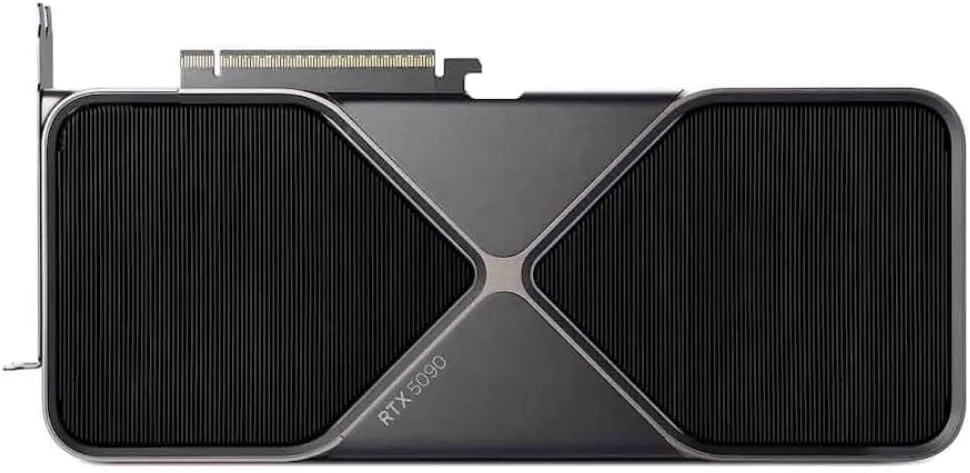
NVIDIA · 32GB
NVIDIA GeForce RTX 5090
32 GB runs 30B-class models comfortably at 4-bit, but a 70B model will not fit on one card. For 70B, plan for two cards or a large unified-memory system.
$1,999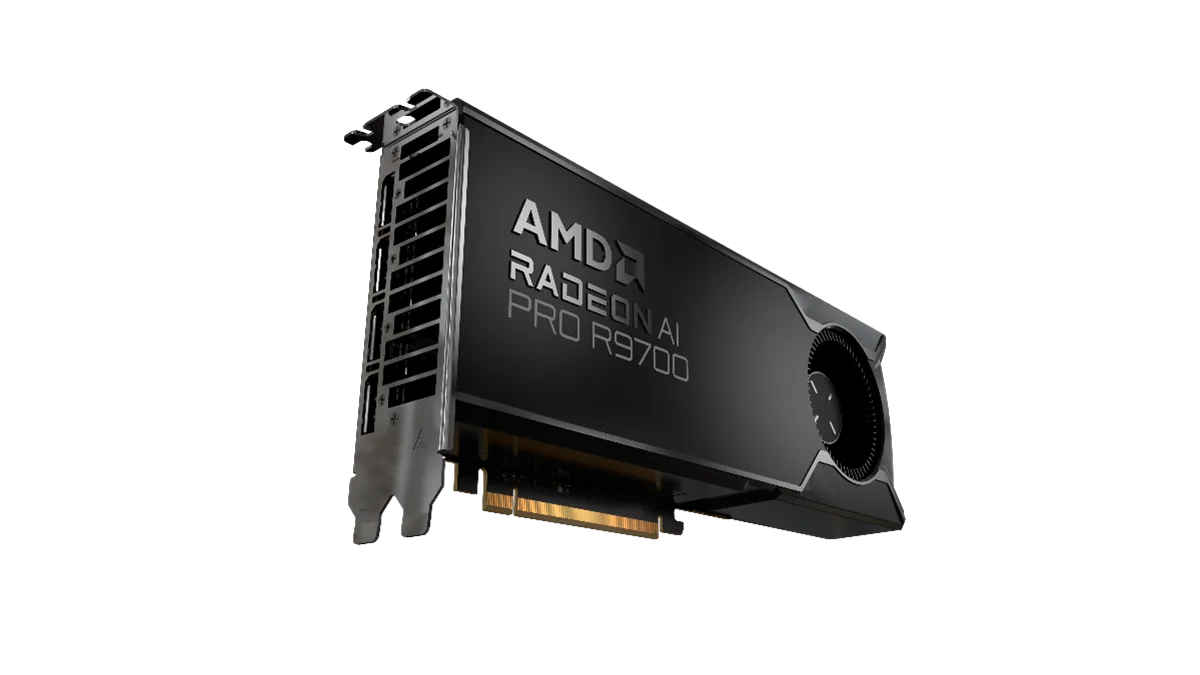
AMD · 32GB
AMD Radeon AI PRO R9700 (32 GB)
Check that your tools support ROCm on your operating system before buying. PyTorch and llama.cpp do; some niche tools still assume CUDA.
$1,299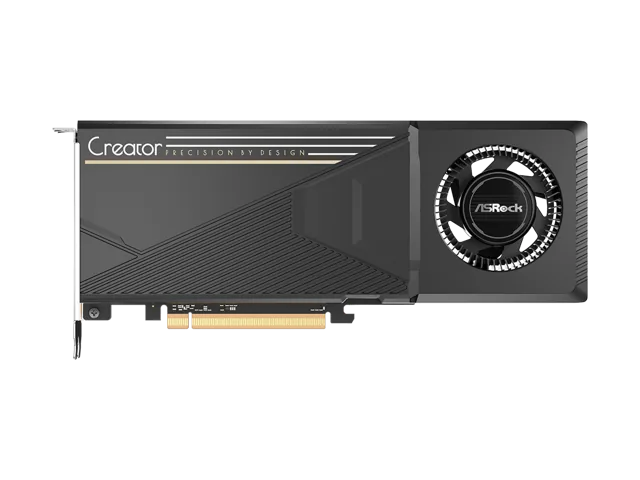
Intel · 24GB
Intel Arc Pro B60
Some partners put two B60 GPUs on one board (48 GB in total). Those dual cards need a motherboard slot that supports x8/x8 bifurcation, so check your board first.
$599.99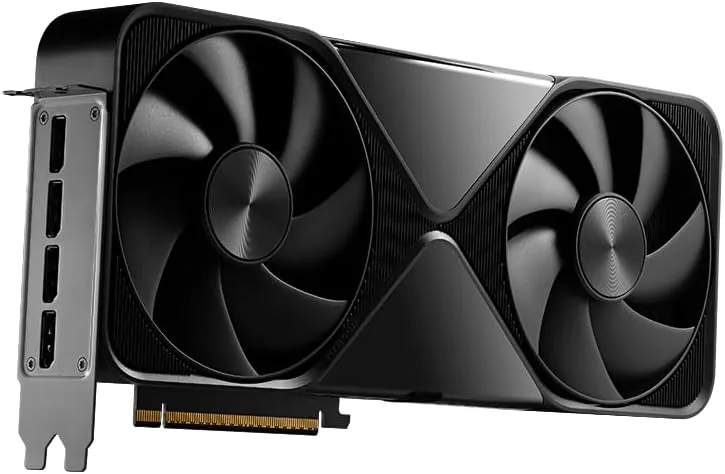
NVIDIA · 96GB
NVIDIA RTX PRO 6000 Blackwell (96 GB)
Pick the Max-Q Workstation Edition (300 W, blower) when you plan to stack several cards in one chassis; the 600 W Workstation Edition is the faster choice for a single card.
$14,594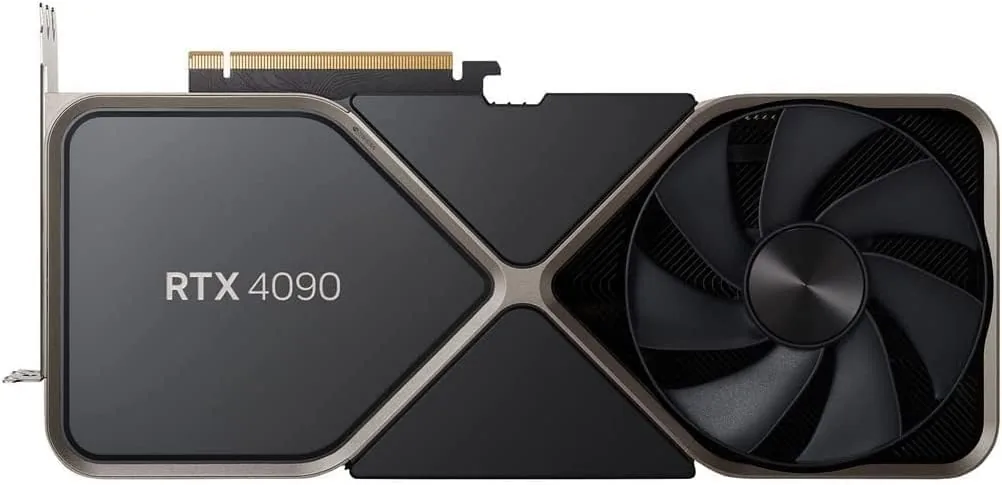
NVIDIA · 24GB
NVIDIA GeForce RTX 4090
Push the 16-pin power cable fully into the card and avoid sharp bends close to the plug. A loose connector is the most common cause of trouble with this card.
$1,761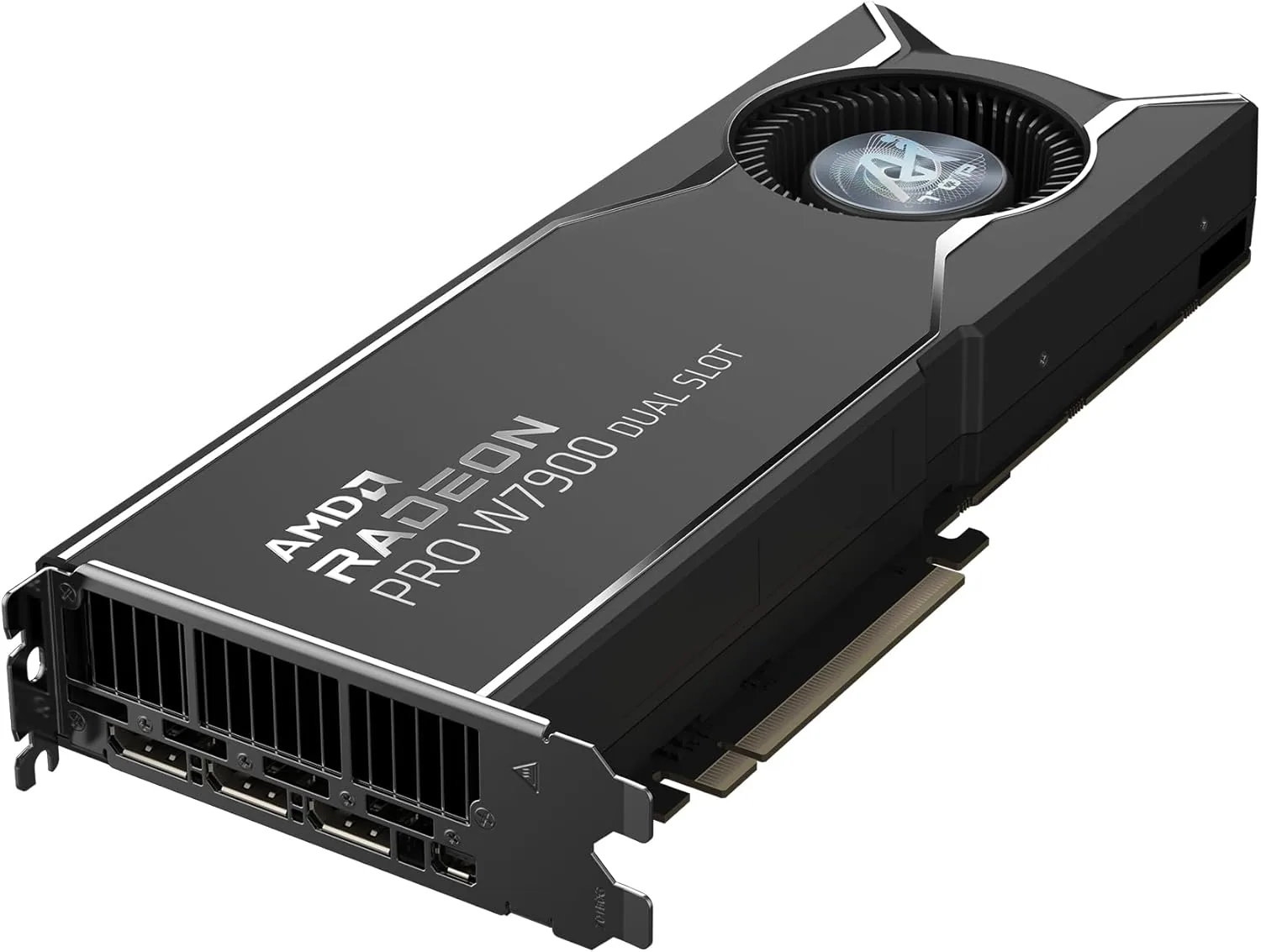
AMD · 48GB
AMD Radeon PRO W7900 (48 GB)
Choose the W7900 when model or scene size matters most. The newer R9700 has less memory (32 GB) but adds FP8 support and is faster per watt for AI.
$3,999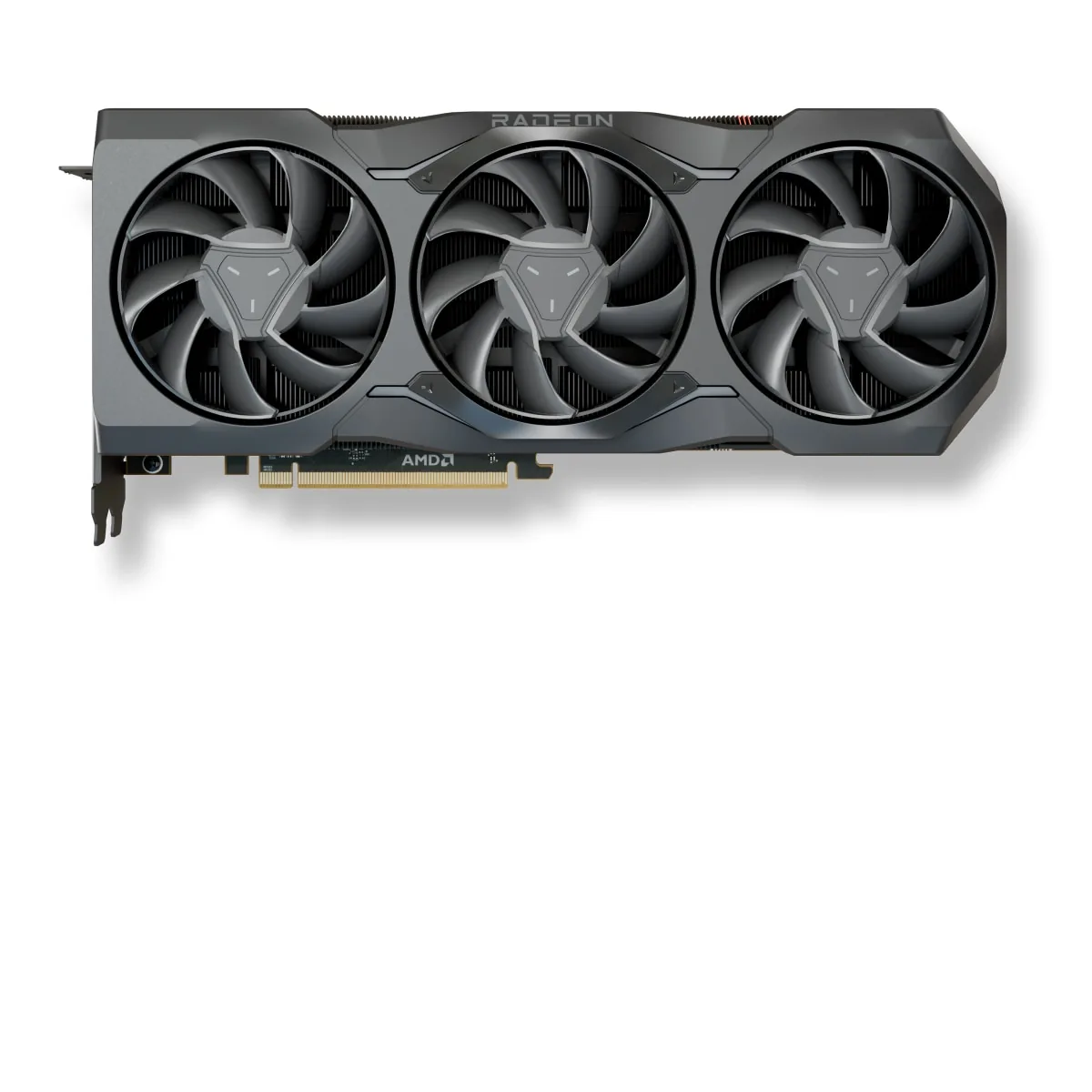
AMD · 24GB
AMD Radeon RX 7900 XTX
Partner cards are often longer and thicker than the reference design. Measure your case and check your power supply before ordering.
$990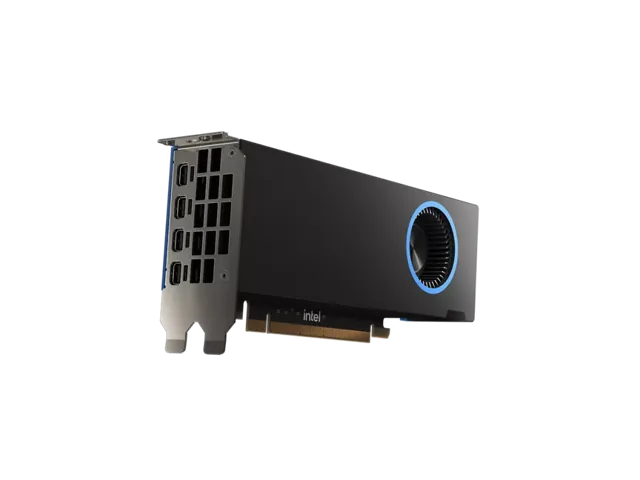
Intel · 16GB
Intel Arc Pro B50
No power cable is needed, so it suits small-form-factor machines. 16 GB runs 7B to 14B models at 4-bit; anything larger needs a bigger card.
$329