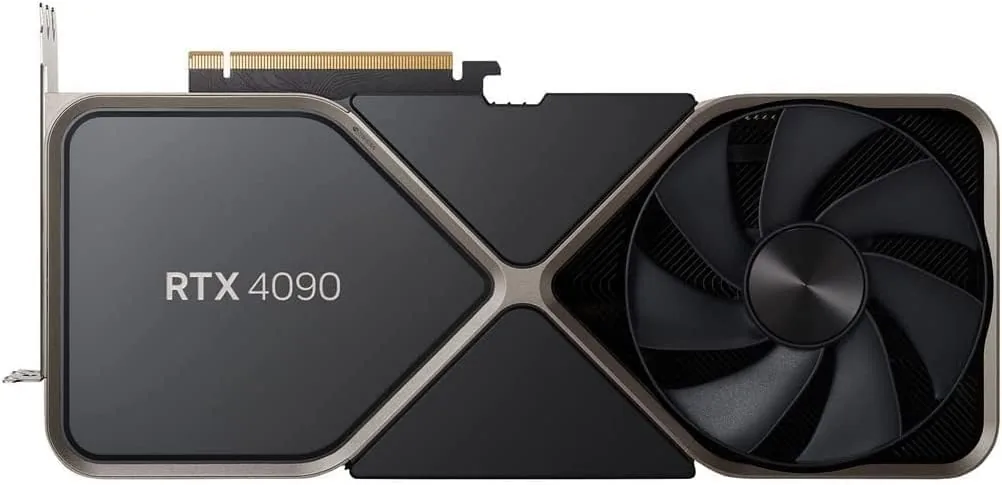
- GeForce RTX 409024 GB · runs 30–34B models at 4-bit
Full specifications
- GPU
- NVIDIA Ada Lovelace (AD102)
- CUDA cores
- 16,384
- Memory
- 24 GB GDDR6X
- Memory interface
- 384-bit, 1,008 GB/s
- Boost clock
- 2.52 GHz (reference)
- Tensor / RT Cores
- 4th generation / 3rd generation
- Interface
- PCIe 4.0 x16
- Graphics card power
- 450 W
- Power connector
- 16-pin (12VHPWR)
- Display outputs
- HDMI 2.1, 3 × DisplayPort 1.4a
Good for
- 4K gaming with ray tracing
- Local models up to 30B at 4-bit with full CUDA support
- Creators using CUDA-accelerated editing and rendering tools
- A two-card build for 70B models at 4-bit
Not ideal for
- Single-card 70B inference: 24 GB is not enough
- Buyers who want FP4 and the most bandwidth: the RTX 5090 has both
- 1080p gaming: a much smaller card does the job
- Small cases: the Founders Edition takes three slots
NVIDIA
NVIDIA GeForce RTX 4090
The RTX 4090 is the previous-generation GeForce flagship and still a very capable card. 24 GB of GDDR6X and about 1 TB/s of bandwidth handle 4K gaming and run local models up to roughly 30B parameters at 4-bit.
AED 6,469Charged in US dollars at checkout: $1,761. Import duties and taxes included.In stock. Dispatched in 1 to 3 business days.
- Free shipping to the UAE
- Ships from our warehouse in Malaysia
- 30-day returns
- Import duties and taxes included
- Shipping, returns and warranty
Push the 16-pin power cable fully into the card and avoid sharp bends close to the plug. A loose connector is the most common cause of trouble with this card.
Who it's for
Buyers who want top-tier performance and 24 GB of memory without stepping up to the RTX 5090.
Full specifications
- GPU
- NVIDIA Ada Lovelace (AD102)
- CUDA cores
- 16,384
- Memory
- 24 GB GDDR6X
- Memory interface
- 384-bit, 1,008 GB/s
- Boost clock
- 2.52 GHz (reference)
- Tensor / RT Cores
- 4th generation / 3rd generation
- Interface
- PCIe 4.0 x16
- Graphics card power
- 450 W
- Power connector
- 16-pin (12VHPWR)
- Display outputs
- HDMI 2.1, 3 × DisplayPort 1.4a
About the NVIDIA GeForce RTX 4090
The GeForce RTX 4090 is the previous-generation GeForce flagship and still a strong card for 4K gaming and local AI on 24 GB. It runs 30B-class models at 4-bit and 14B models at 8-bit, the same model tiers as the RTX 5090 with less room for long contexts. Choose it when you want 24 GB of CUDA memory and do not need the 5090's extra speed and 32 GB.
Key features
- 24 GB GDDR6X on a 384-bit bus, about 1 TB/s
- 16,384 CUDA cores, Ada Lovelace architecture
- 4th-generation Tensor Cores, 1,321 AI TOPS, DLSS 3.5 with Frame Generation
- 450 W total graphics power; NVIDIA recommends an 850 W power supply
- Founders Edition: three slots (61 mm), 304 × 137 mm
- 1 × HDMI 2.1a and 3 × DisplayPort 1.4a
- 2 × eighth-generation NVENC encoders with AV1
What it runs
About 90% of 24 GB is usable once context and buffers are counted, which covers 30B-class models at 4-bit (about 20 GB) and 14B models at 8-bit. The margin at 30B is thinner than on a 32 GB card, so very long contexts may need a smaller quantisation or a shorter window. 70B models do not fit on one card. Our model fit tool shows each tier.
Two 4090s give 48 GB, enough for a 70B model at 4-bit split across both cards with llama.cpp or vLLM. That build needs a large case, a big power supply and a motherboard with two well-spaced PCIe slots; a single 48 GB card is simpler.
Performance context
On models that fit, the 4090's roughly 1 TB/s of memory bandwidth keeps text generation quick, and it is far faster than unified-memory machines for anything inside 24 GB. The RTX 5090 is the faster card, with about 75% more bandwidth and 8 GB more memory. The 4090 lacks Blackwell's FP4 support, but it handles 8-bit inference well.
For games it targets 4K at high settings with ray tracing and DLSS 3.5. NVIDIA rates its average gaming power at 315 W, well below the 450 W limit, and its idle draw at 19 W.
Outputs and video
The Founders Edition has one HDMI 2.1a and three DisplayPort 1.4a outputs, drives up to four displays, and reaches 4K at 240 Hz or 8K at 60 Hz with DSC. Two eighth-generation NVENC encoders add AV1 encoding for streaming and exports.
Power and fit
Total graphics power is 450 W and NVIDIA recommends an 850 W power supply. The card uses a 16-pin connector, fed by a 450 W or greater PCIe Gen 5 cable or by three PCIe 8-pin cables through the adapter supplied with the Founders Edition. Push the plug fully home and avoid tight bends near the connector. The Founders Edition is a three-slot card, 304 mm long; partner cards are often larger. See our guide to fitting a high-end graphics card.
Software
Full CUDA support means PyTorch, llama.cpp, Ollama, LM Studio, vLLM, TensorRT and ComfyUI run without workarounds on Windows and Linux. Its PCIe 4.0 x16 interface rarely limits a single card.
What to pair it with
An 850 W or larger power supply, a case with room for a three-slot card, and 32 to 64 GB of system RAM. If you want more memory per card, compare it with the GeForce RTX 5090 (32 GB) and the Radeon PRO W7900 (48 GB) in our graphics card guide for local AI.
Good for
- 4K gaming with ray tracing
- Local models up to 30B at 4-bit with full CUDA support
- Creators using CUDA-accelerated editing and rendering tools
- A two-card build for 70B models at 4-bit
Not ideal for
- Single-card 70B inference: 24 GB is not enough
- Buyers who want FP4 and the most bandwidth: the RTX 5090 has both
- 1080p gaming: a much smaller card does the job
- Small cases: the Founders Edition takes three slots
What it can run
Up to 30–34B at 4-bit, 13–14B at 8-bit (approximate)
Based on 24 GB of GPU memory. See every machine by model size
Guides for this product
Graphics cards · 5 min read
Choosing a GPU for Local AI: RTX 5090, R9700, B60
Choose a GPU for local AI by memory, software and bandwidth: RTX 5090, Radeon AI PRO R9700, Arc Pro B60 and the 48 GB and 96 GB workstation cards.
Read the guide →Graphics cards · 4 min read
RTX 5090 vs RTX 4090 for 4K Gaming and Local AI
RTX 5090 vs RTX 4090: 32 GB against 24 GB, memory bandwidth, power and size for 4K gaming and local AI, and when the older card is still the right buy.
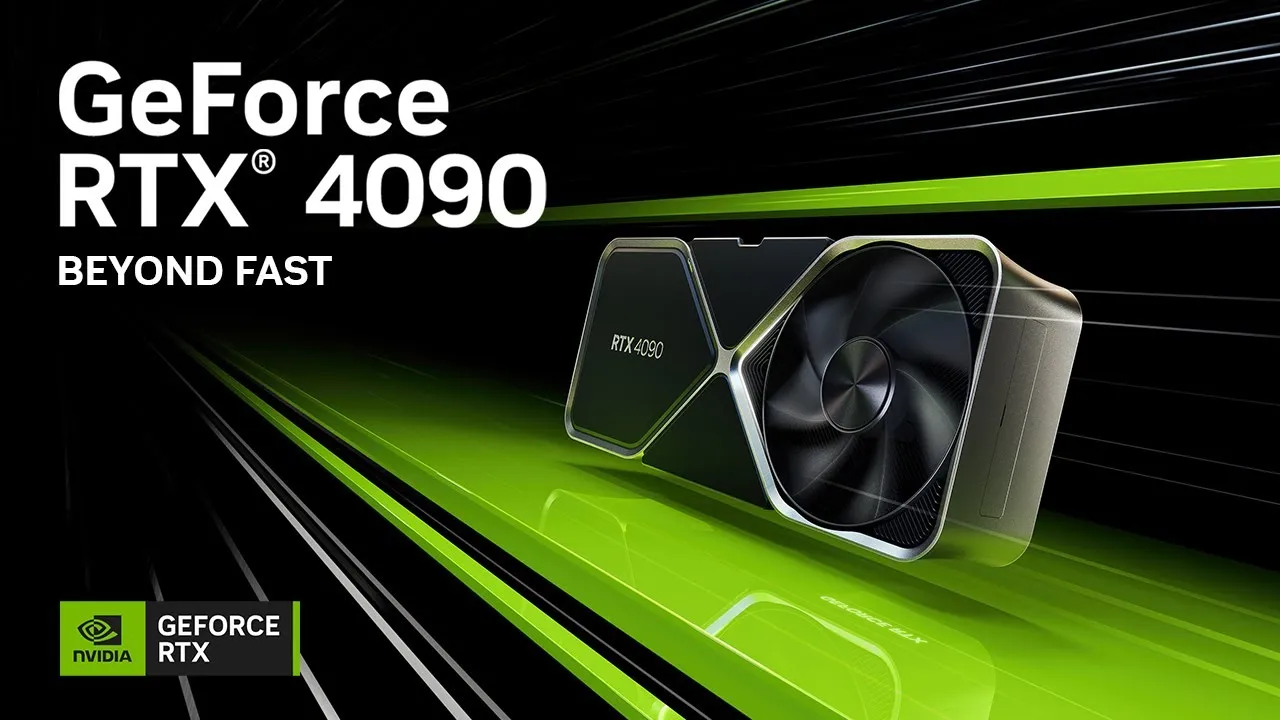
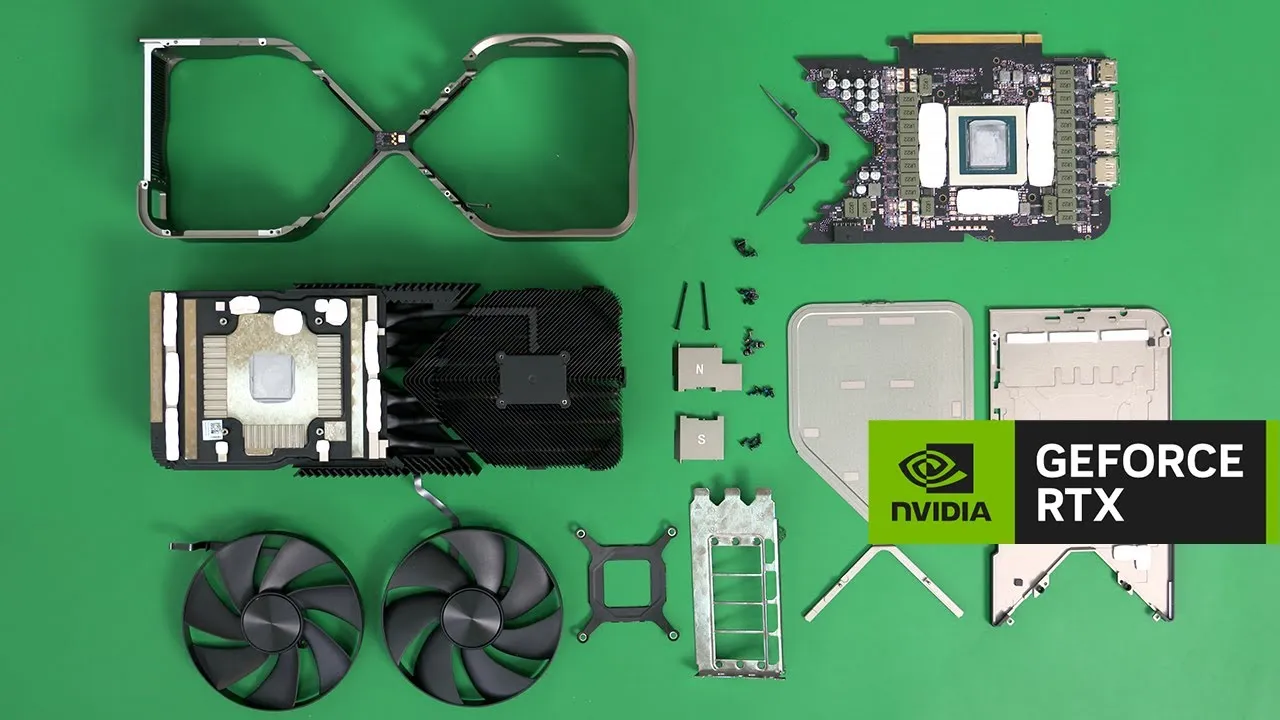
Read the guide →Watch it in action
Official videos from the manufacturer's own channel. They load only when you press play.
Reviews
What reviewers say
PCWorld
Extremely fast, with DLSS 3 as the standout feature. The downsides are high power draw, a very large card and a high price.
“It's a behemoth of a GPU that draws a lot of power”
Read the review
Atomrig customer reviews
No customer reviews yet. Bought this from us? Tell us how it runs.
Related products
NVIDIA
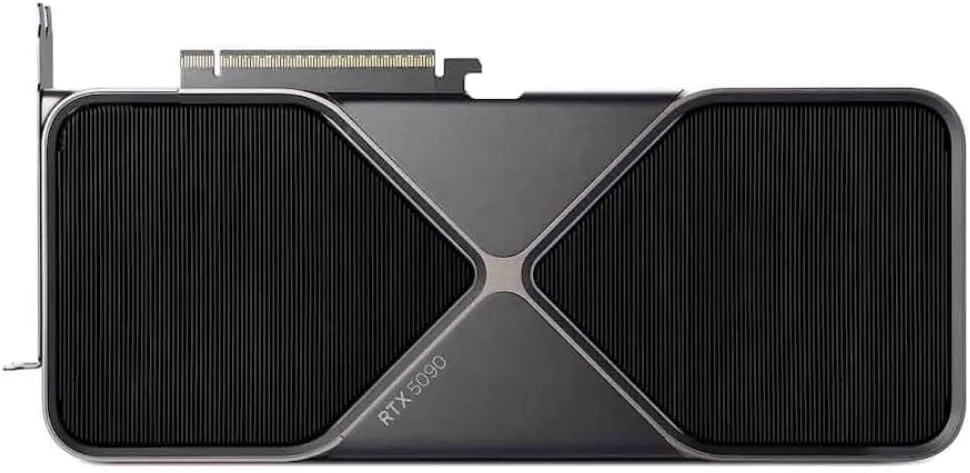
NVIDIA GeForce RTX 5090
- 32 GB
- NVIDIA Blackwell (GB202)
Runs up to 30–34B at 4-bit
32 GB runs 30B-class models comfortably at 4-bit, but a 70B model will not fit on one card. For 70B, plan for two cards or a large unified-memory system.
AED 7,339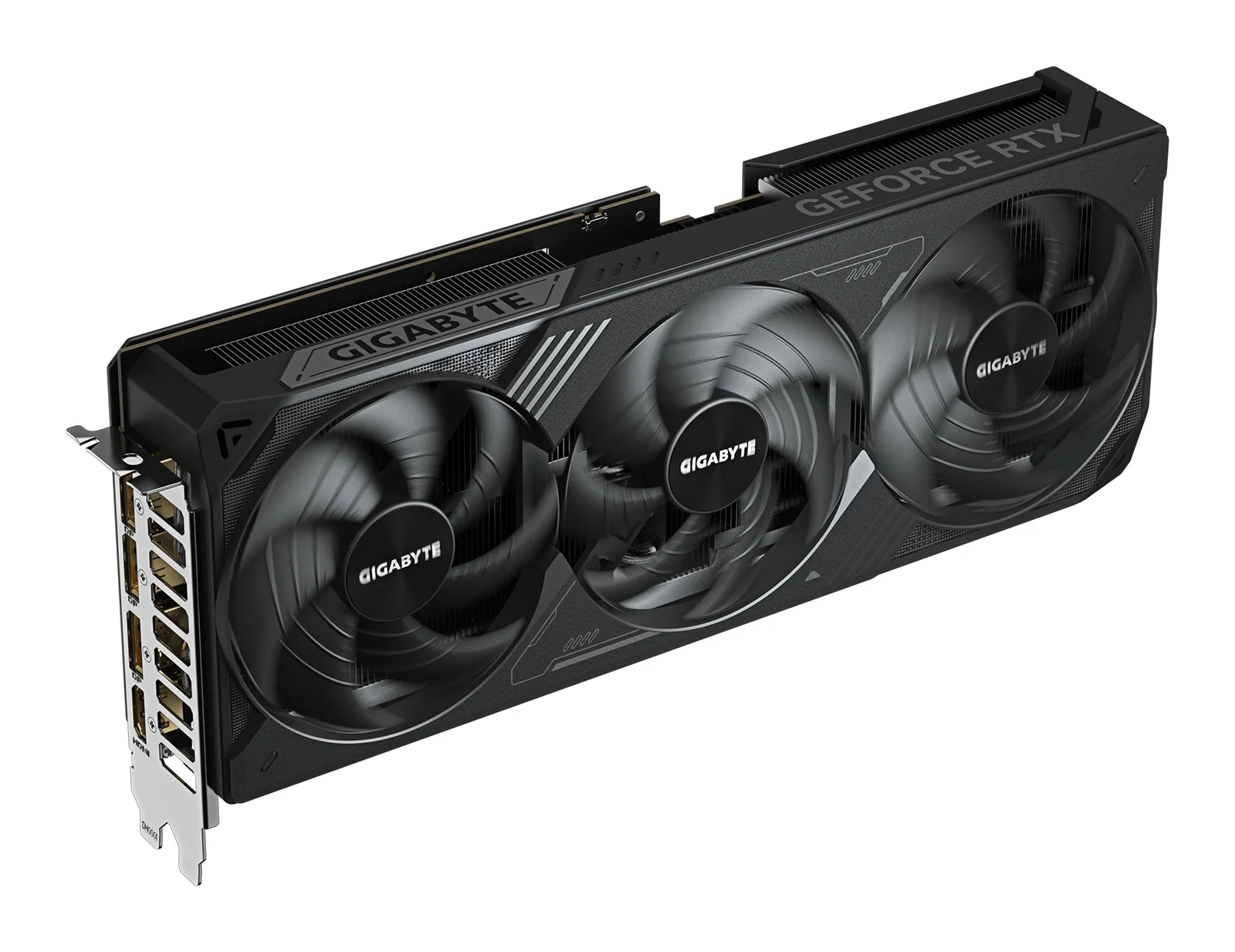
GIGABYTE
GIGABYTE GeForce RTX 5070 Ti WINDFORCE OC SFF 16G
- 16 GB
- NVIDIA GeForce RTX 5070 Ti (Blackwell)
Runs up to 13–14B at 4-bit
It needs one 16-pin power cable or the adapter in the box, which takes two 8-pin PCIe cables. GIGABYTE recommends a 750 W power supply.
AED 3,419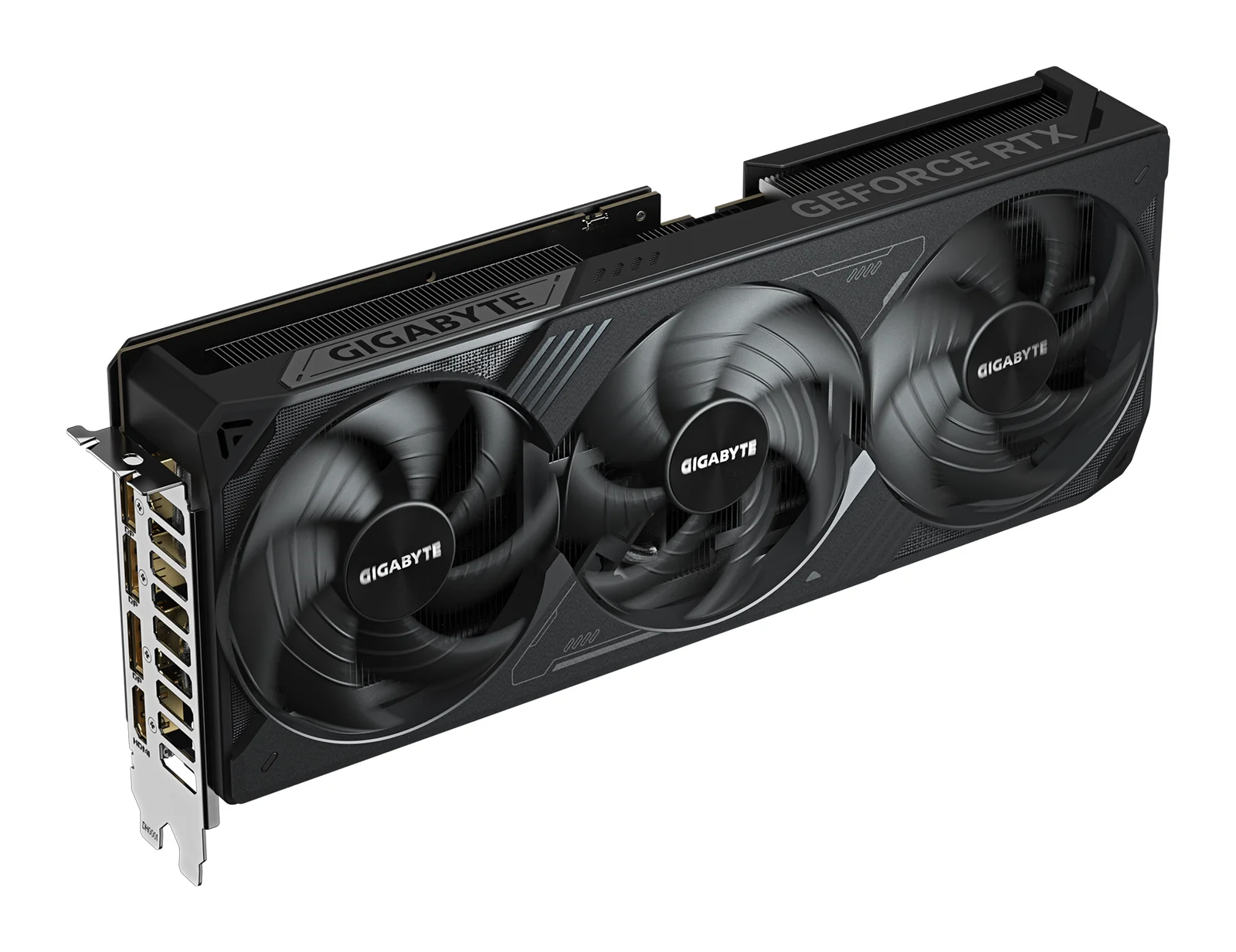
GIGABYTE
GIGABYTE GeForce RTX 5080 WINDFORCE OC SFF 16G
- 16 GB
- NVIDIA GeForce RTX 5080 (Blackwell)
Runs up to 13–14B at 4-bit
It has the same 16 GB as the RTX 5070 Ti, so it does not fit larger AI models; it runs them faster. For more memory on one card, look at the RTX 5090 or a 24 to 32 GB card.
AED 4,359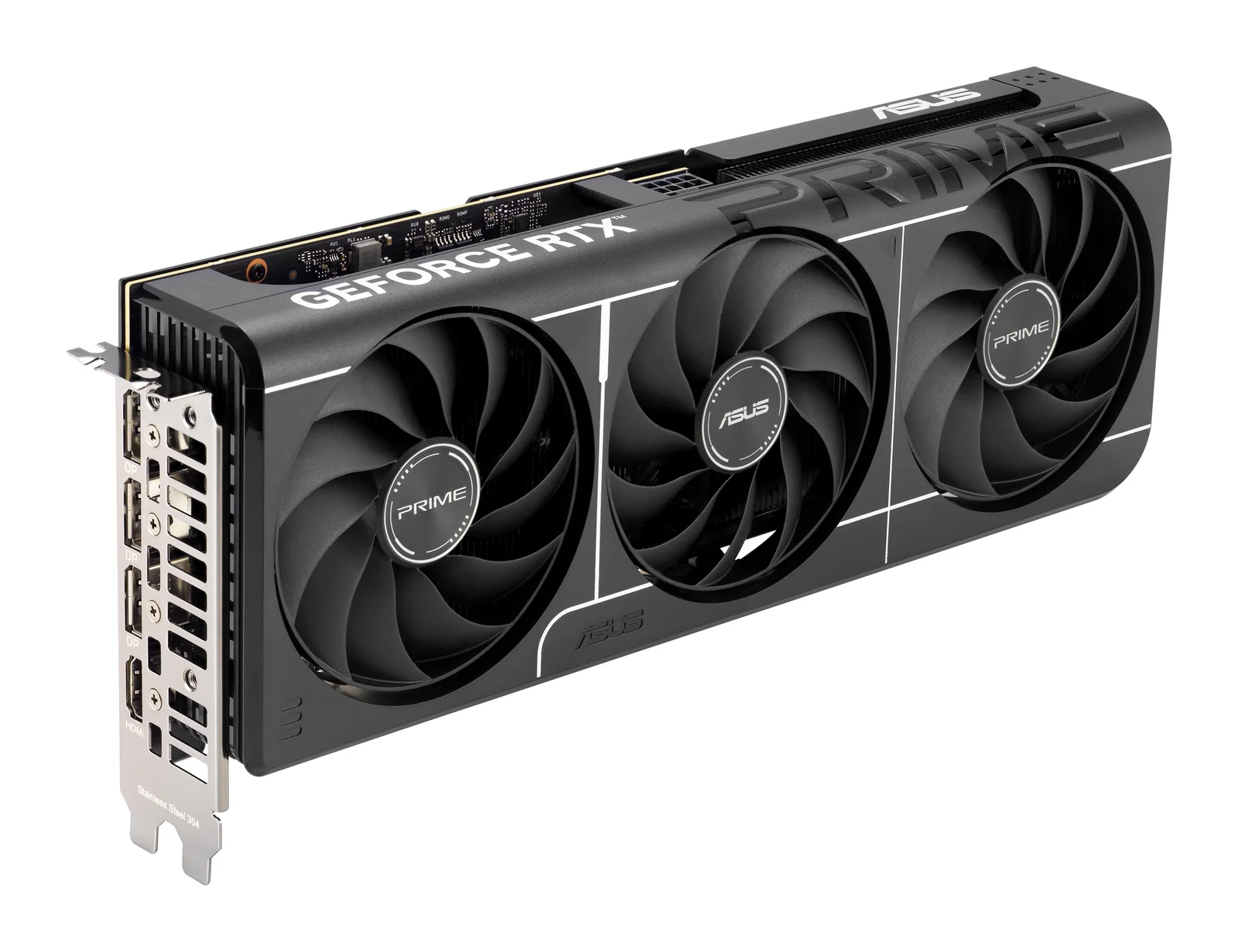
ASUS
ASUS Prime GeForce RTX 5060 Ti 16GB OC Edition
- 16 GB
- NVIDIA GeForce RTX 5060 Ti (Blackwell)
Runs up to 13–14B at 4-bit
Buy only the 16 GB version for local AI; this is the one. Its 128-bit memory bus is narrower than the bigger cards', so models generate text more slowly than on an RTX 5070 Ti.
AED 1,469