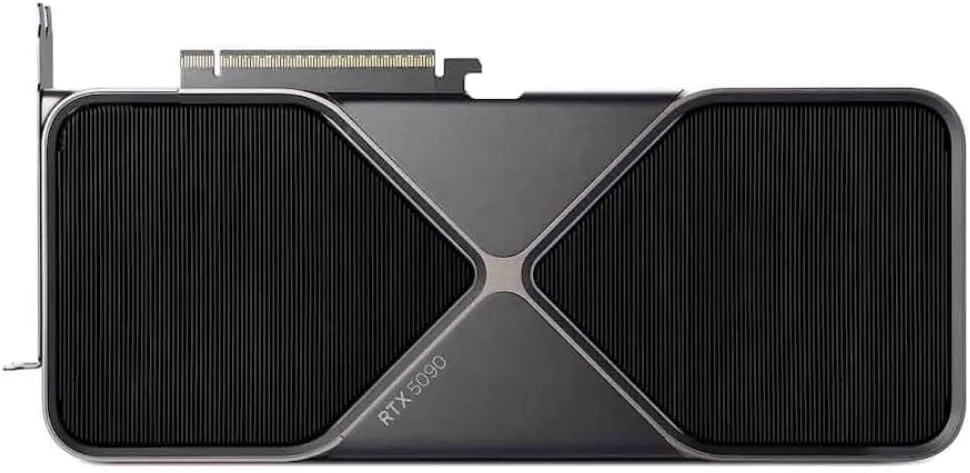
- GeForce RTX 509032 GB · runs 30–34B models at 4-bit
Full specifications
- GPU
- NVIDIA Blackwell (GB202)
- CUDA cores
- 21,760
- Memory
- 32 GB GDDR7
- Memory interface
- 512-bit, 1,792 GB/s
- Boost clock
- 2.41 GHz (reference)
- Tensor / RT Cores
- 5th generation / 4th generation
- Interface
- PCIe 5.0 x16
- Graphics card power
- 575 W
- Power connector
- 1 × 16-pin 12V-2x6 (adapter in the box on the Founders Edition)
- Recommended PSU
- 1,000 W
- Display outputs
- HDMI 2.1b, 3 × DisplayPort 2.1b
- Length (Founders Edition)
- 304 mm
- Width (Founders Edition)
- 137 mm
Good for
- 4K high-refresh gaming with ray tracing
- Fast local inference on models up to 30B, plus image and video generation
- Creators who edit high-resolution video or render large 3D scenes
- One card that covers gaming, creative work and AI
Not ideal for
- 70B models: they do not fit in 32 GB
- 1440p or 1080p gaming only: an RTX 4090 or RX 7900 XTX is plenty
- Power supplies under 1,000 W or cramped cases with poor airflow
- Stacking several cards in one machine: workstation cards are built for that
NVIDIA
NVIDIA GeForce RTX 5090
The RTX 5090 is the fastest GeForce card, with 32 GB of GDDR7 and close to 1.8 TB/s of memory bandwidth. It drives 4K gaming at high frame rates and is one of the quickest single cards for running local models that fit in its memory.
AED 7,339Charged in US dollars at checkout: $1,999. Import duties and taxes included.In stock. Dispatched in 1 to 3 business days.
- Free shipping to the UAE
- Ships from our warehouse in Malaysia
- 30-day returns
- Import duties and taxes included
- Shipping, returns and warranty
32 GB runs 30B-class models comfortably at 4-bit, but a 70B model will not fit on one card. For 70B, plan for two cards or a large unified-memory system.
Who it's for
Gamers and AI tinkerers who want the most speed one consumer card can give.
Full specifications
- GPU
- NVIDIA Blackwell (GB202)
- CUDA cores
- 21,760
- Memory
- 32 GB GDDR7
- Memory interface
- 512-bit, 1,792 GB/s
- Boost clock
- 2.41 GHz (reference)
- Tensor / RT Cores
- 5th generation / 4th generation
- Interface
- PCIe 5.0 x16
- Graphics card power
- 575 W
- Power connector
- 1 × 16-pin 12V-2x6 (adapter in the box on the Founders Edition)
- Recommended PSU
- 1,000 W
- Display outputs
- HDMI 2.1b, 3 × DisplayPort 2.1b
- Length (Founders Edition)
- 304 mm
- Width (Founders Edition)
- 137 mm
About the NVIDIA GeForce RTX 5090
The GeForce RTX 5090 is NVIDIA's fastest GeForce card, for 4K gaming and for running local models that fit in its 32 GB. It handles 30B-class models at 4-bit with room to spare, but a 70B model needs a second card or a larger-memory system. Buy it if you want one card for top-end gaming, creative work and AI; if you game at 1440p and run smaller models, a 24 GB card is enough.
Key features
- 32 GB GDDR7 on a 512-bit bus, about 1.8 TB/s
- 21,760 CUDA cores, Blackwell architecture
- 5th-generation Tensor Cores, 3,352 AI TOPS, DLSS 4 with Multi Frame Generation
- 575 W total graphics power; NVIDIA recommends a 1,000 W power supply
- Founders Edition: dual slot, 304 × 137 mm
- 3 × DisplayPort 2.1b and 1 × HDMI 2.1b, up to 4K 480 Hz or 8K 165 Hz with DSC
- 3 × ninth-generation NVENC encoders with AV1
What it runs
With about 90% of its 32 GB usable, the RTX 5090 runs models up to the 30B class at 4-bit (about 20 GB) with room left for a long context, and models up to 14B at 8-bit. A 30B model at 8-bit needs around 38 GB and does not fit, and neither does a 70B model at any common quantisation. Check exact sizes in our model fit tool.
For 70B models there are three routes: two cards with the model split across them, one 48 GB or 96 GB workstation card, or a unified-memory machine with 64 GB or more. Our guide to memory for local LLMs explains the trade-offs.
Performance context
Text generation speed on a model that fits is set mostly by memory bandwidth. At about 1.8 TB/s the 5090 has roughly 75% more than the RTX 4090 and around six times more than unified-memory systems such as the DGX Spark (273 GB/s), so 30B-class models generate quickly. Image and video tools such as ComfyUI also benefit from the 32 GB and from fifth-generation Tensor Cores, which add FP4 support.
For gaming, it is aimed at 4K high-refresh screens with path tracing and DLSS 4 Multi Frame Generation. At 1080p, much of its power goes unused.
Outputs and video
The Founders Edition has three DisplayPort 2.1b outputs and one HDMI 2.1b, drives up to four displays, and reaches 4K at 480 Hz or 8K at 165 Hz with DSC. Three ninth-generation NVENC encoders and two sixth-generation NVDEC decoders, with AV1 support, speed up exports in editors such as DaVinci Resolve and Premiere Pro.
Power and fit
Total graphics power is 575 W and NVIDIA recommends a 1,000 W power supply. The Founders Edition takes either one 600 W PCIe Gen 5 cable or four PCIe 8-pin cables through the adapter supplied with it. It is a dual-slot card, 304 mm long and 137 mm wide, so it fits many smaller cases. Many partner cards are thicker and longer, so measure before choosing one. Read our guide to fitting a high-end graphics card before you order.
Software
CUDA support is complete: PyTorch, llama.cpp, Ollama, LM Studio, vLLM and ComfyUI all run on it under Windows and Linux. Blackwell cards need a recent driver and CUDA 12.8 or later, so update older containers before you start.
What to pair it with
A 1,000 W power supply with a native 16-pin (12V-2x6) cable, a case with strong front-to-back airflow, and at least 64 GB of system RAM if you load large models or run several tools at once. If you need more memory on one card, the RTX PRO 6000 Blackwell has 96 GB; if you want 32 GB at lower power for AI only, look at the Radeon AI PRO R9700. Our graphics card guide for local AI sets them side by side.
Good for
- 4K high-refresh gaming with ray tracing
- Fast local inference on models up to 30B, plus image and video generation
- Creators who edit high-resolution video or render large 3D scenes
- One card that covers gaming, creative work and AI
Not ideal for
- 70B models: they do not fit in 32 GB
- 1440p or 1080p gaming only: an RTX 4090 or RX 7900 XTX is plenty
- Power supplies under 1,000 W or cramped cases with poor airflow
- Stacking several cards in one machine: workstation cards are built for that
What it can run
Up to 30–34B at 4-bit, 13–14B at 8-bit (approximate)
Based on 32 GB of GPU memory. See every machine by model size
Guides for this product
Graphics cards · 5 min read
Choosing a GPU for Local AI: RTX 5090, R9700, B60
Choose a GPU for local AI by memory, software and bandwidth: RTX 5090, Radeon AI PRO R9700, Arc Pro B60 and the 48 GB and 96 GB workstation cards.
Read the guide →Local AI · 5 min read
Mac vs NVIDIA vs Ryzen AI Max+ for Local AI
Which platform fits which work: CUDA on NVIDIA, unified memory on a Mac, or 128 GB on a Ryzen AI Max+ mini PC. Memory, software and trade-offs.
Read the guide →Watch it in action
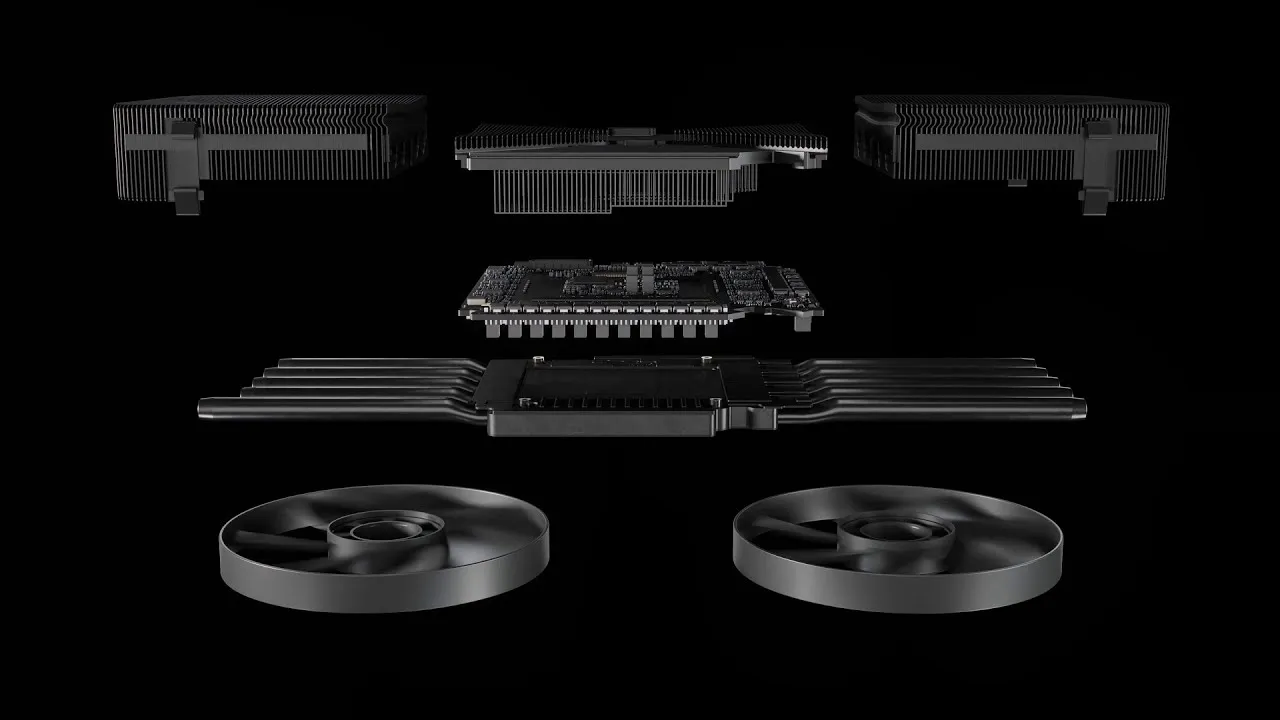
Official videos from the manufacturer's own channel. They load only when you press play.
Reviews
Atomrig customer reviews
No customer reviews yet. Bought this from us? Tell us how it runs.
Related products
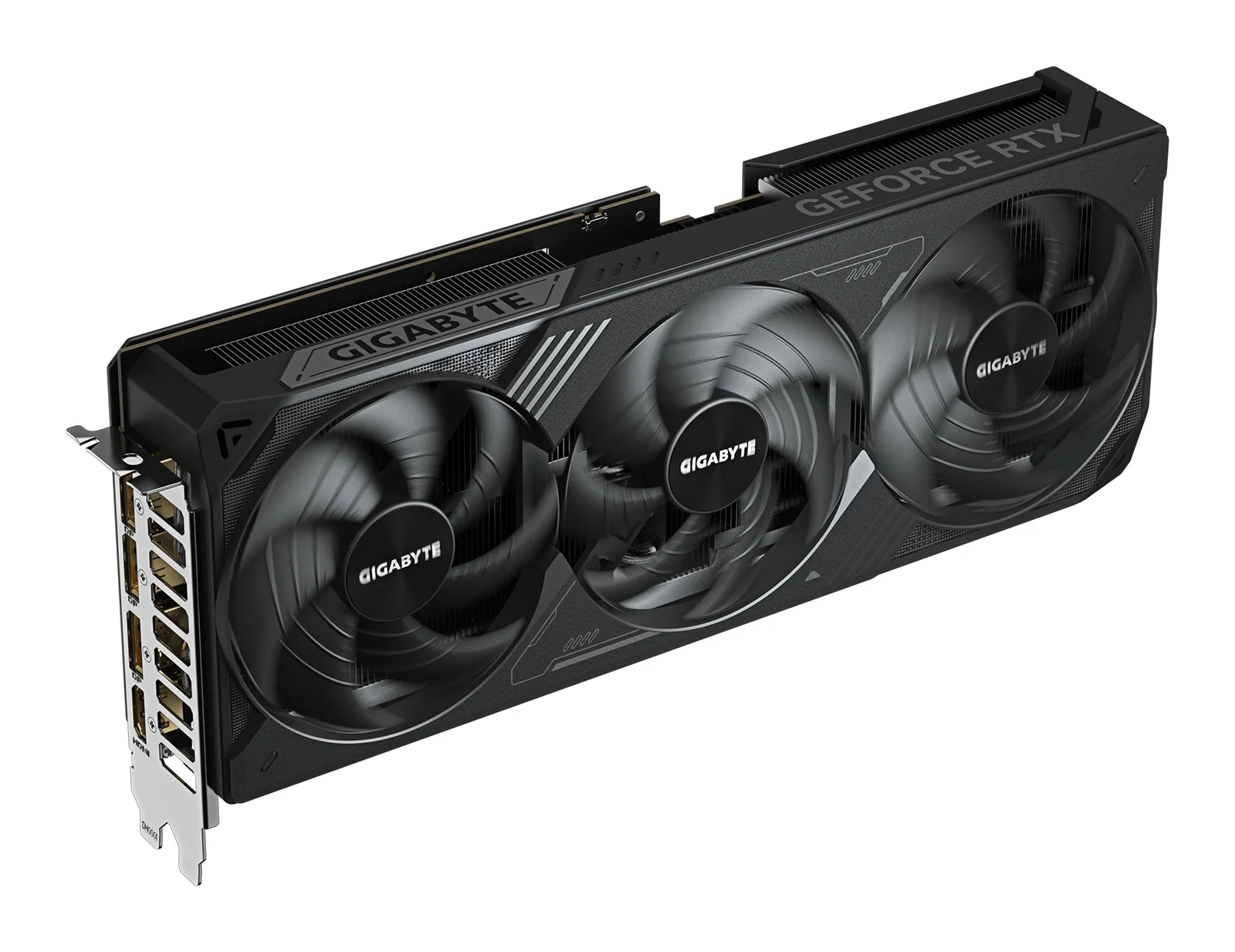
GIGABYTE
GIGABYTE GeForce RTX 5070 Ti WINDFORCE OC SFF 16G
- 16 GB
- NVIDIA GeForce RTX 5070 Ti (Blackwell)
Runs up to 13–14B at 4-bit
It needs one 16-pin power cable or the adapter in the box, which takes two 8-pin PCIe cables. GIGABYTE recommends a 750 W power supply.
AED 3,419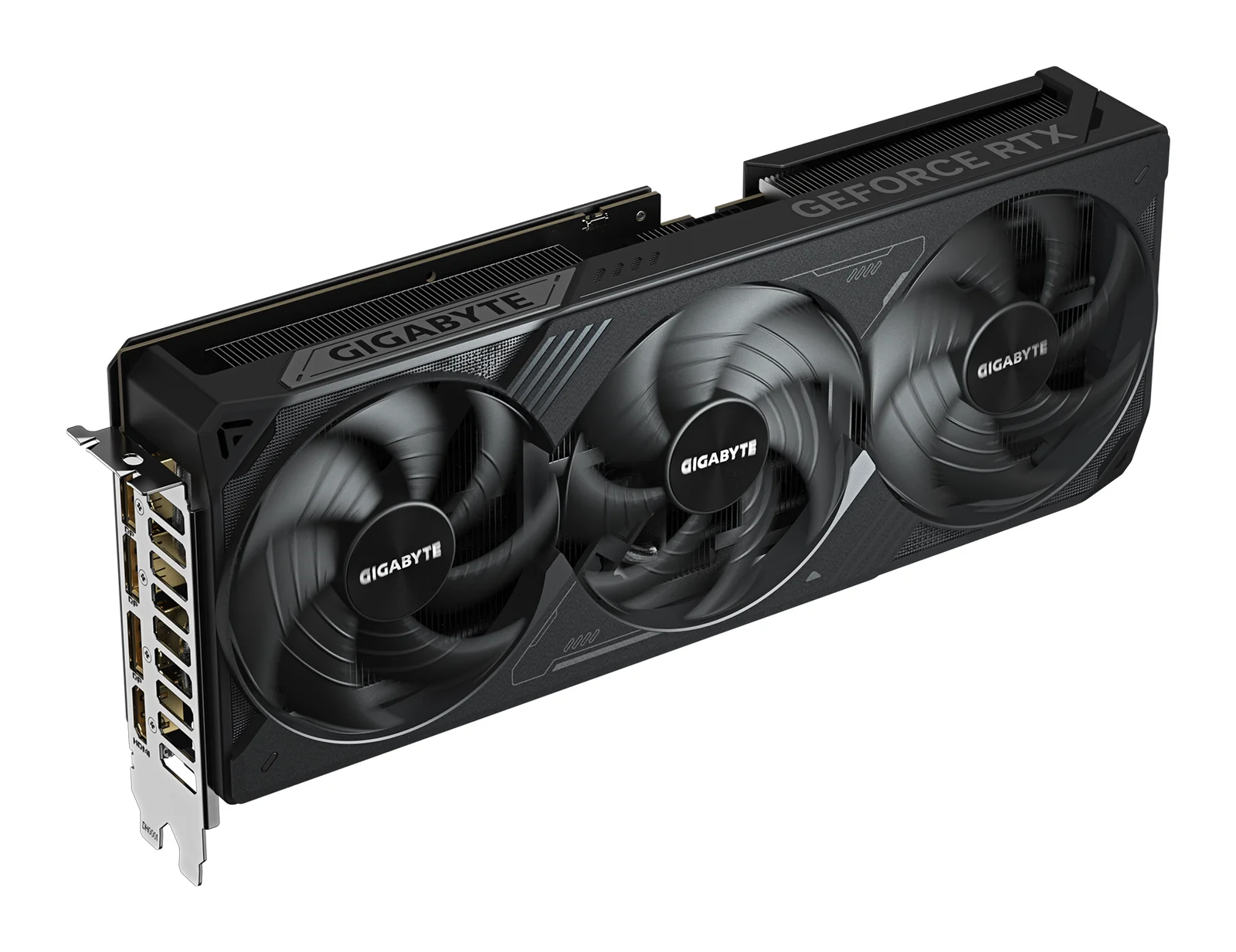
GIGABYTE
GIGABYTE GeForce RTX 5080 WINDFORCE OC SFF 16G
- 16 GB
- NVIDIA GeForce RTX 5080 (Blackwell)
Runs up to 13–14B at 4-bit
It has the same 16 GB as the RTX 5070 Ti, so it does not fit larger AI models; it runs them faster. For more memory on one card, look at the RTX 5090 or a 24 to 32 GB card.
AED 4,359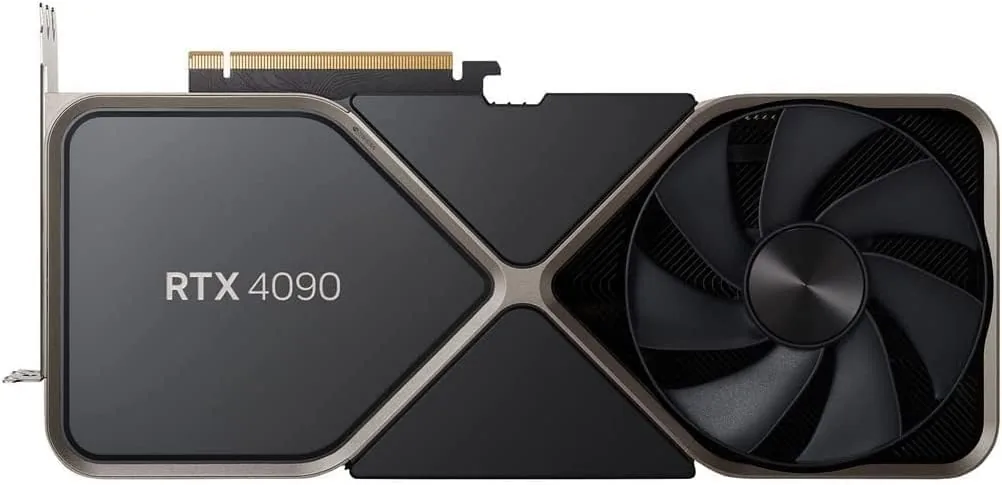
NVIDIA
NVIDIA GeForce RTX 4090
- 24 GB
- NVIDIA Ada Lovelace (AD102)
Runs up to 30–34B at 4-bit
Push the 16-pin power cable fully into the card and avoid sharp bends close to the plug. A loose connector is the most common cause of trouble with this card.
AED 6,469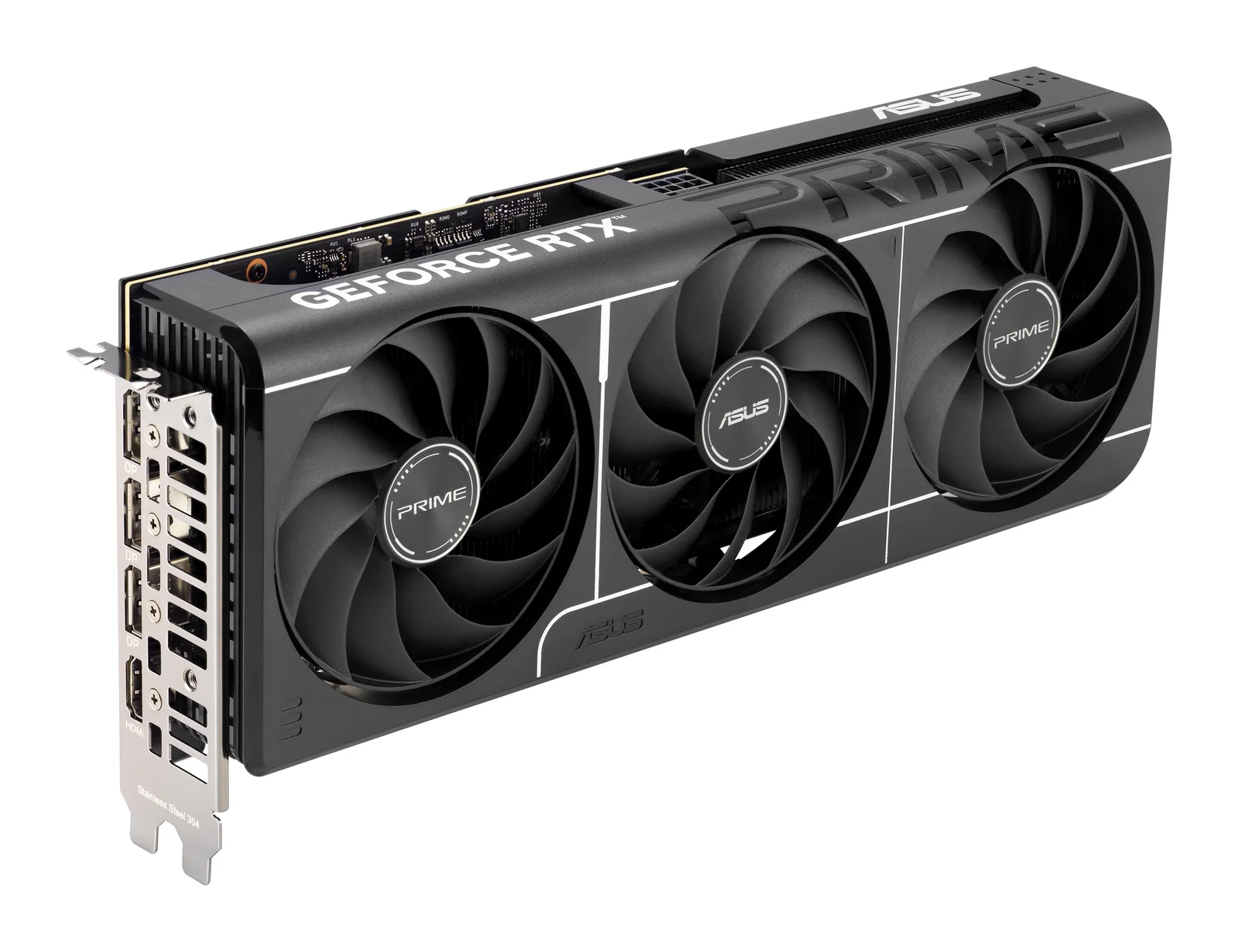
ASUS
ASUS Prime GeForce RTX 5060 Ti 16GB OC Edition
- 16 GB
- NVIDIA GeForce RTX 5060 Ti (Blackwell)
Runs up to 13–14B at 4-bit
Buy only the 16 GB version for local AI; this is the one. Its 128-bit memory bus is narrower than the bigger cards', so models generate text more slowly than on an RTX 5070 Ti.
AED 1,469