Ryzen AI Max+ 395 Mini PCs Compared
Updated 17 November 2026 · 4 min read
We stock two Ryzen AI Max+ 395 machines: the Beelink GTR9 Pro and the Minisforum MS-S1 Max. Both have the same chip and 128 GB of unified memory, so they hold the same models. Choose the GTR9 Pro for a compact desktop with two M.2 slots. Choose the MS-S1 Max if you want a PCIe slot, faster USB4 and a built-in power supply for a homelab or a rack.
What both machines share#
- AMD Ryzen AI Max+ 395: 16 cores and 32 threads (Zen 5).
- AMD Radeon 8060S integrated graphics.
- AMD XDNA 2 NPU, up to 50 TOPS.
- 128 GB of LPDDR5X-8000 unified memory, soldered.
- Two 10 Gigabit Ethernet ports and Wi-Fi 7.
Because the chip and memory are the same, the model fit is identical. Using our model guide figures, both hold a 70B model at 8-bit (about 80 GB) or a 120B-class model at 4-bit (about 80 GB). A 120B-class model at 8-bit, at about 140 GB, does not fit.
Where they differ#
| Beelink GTR9 Pro | Minisforum MS-S1 Max | |
|---|---|---|
| Storage slots | 2 × M.2 2280, PCIe 4.0 | Not listed in our specs |
| PCIe expansion | Not listed in our specs | PCIe x16 slot (x4 electrical), low-profile cards |
| USB4 | 2 ports | 2 × USB4 v2, 80 Gb/s |
| Power supply | Not listed in our specs | Built in, 320 W |
| Built for | A desk | A homelab, a rack or a desk |
Where a cell says not listed, we do not hold a confirmed figure. The product page carries what the manufacturer publishes.
Beelink GTR9 Pro: the desk machine#
The GTR9 Pro is for anyone who wants to run 70B-class models at home in a small, quiet box without building a multi-GPU tower. Two M.2 slots give room for a large model library on fast local storage, and the two 10 Gigabit ports make it quick to pull model files from a NAS.
Minisforum MS-S1 Max: the homelab machine#
The MS-S1 Max adds what a homelab asks for. The PCIe slot takes low-profile cards at x4 lanes, which suits a faster network card; it is not meant for a full-size graphics card. Two USB4 v2 ports at 80 Gb/s handle fast external storage. The power supply is built in, so there is no external brick, which makes it tidier in a rack.
It is the one to choose if the machine should also serve your network, or if you may add more units and cluster them later.
Windows or Linux?#
On Windows the GPU can be given up to 96 GB of the 128 GB. Linux lets you assign more, so plan for Linux if you want the largest models.
On the software side, llama.cpp runs on this chip through Vulkan or ROCm. ROCm support has changed from release to release, so check the current release notes for the version you install. Most local LLM tools run on the GPU, not the NPU; the NPU is used by specific tools that support it.
The memory is soldered. The 128 GB you buy is the 128 GB the machine keeps for life, so there is no smaller configuration to grow out of.
When another machine is the better buy#
- You need CUDA: the DGX Spark has the same 128 GB with NVIDIA's software stack.
- You want faster text generation on large models and like macOS: the Mac Studio with M3 Ultra has 819 GB/s of memory bandwidth.
- Your models are 30B or smaller: a 32 GB graphics card holds them at 4-bit, and a Mac mini with 48 GB does too.
- You only need a home server: the Beelink ME Mini or a refurbished 1-litre desktop costs far less and does the job.
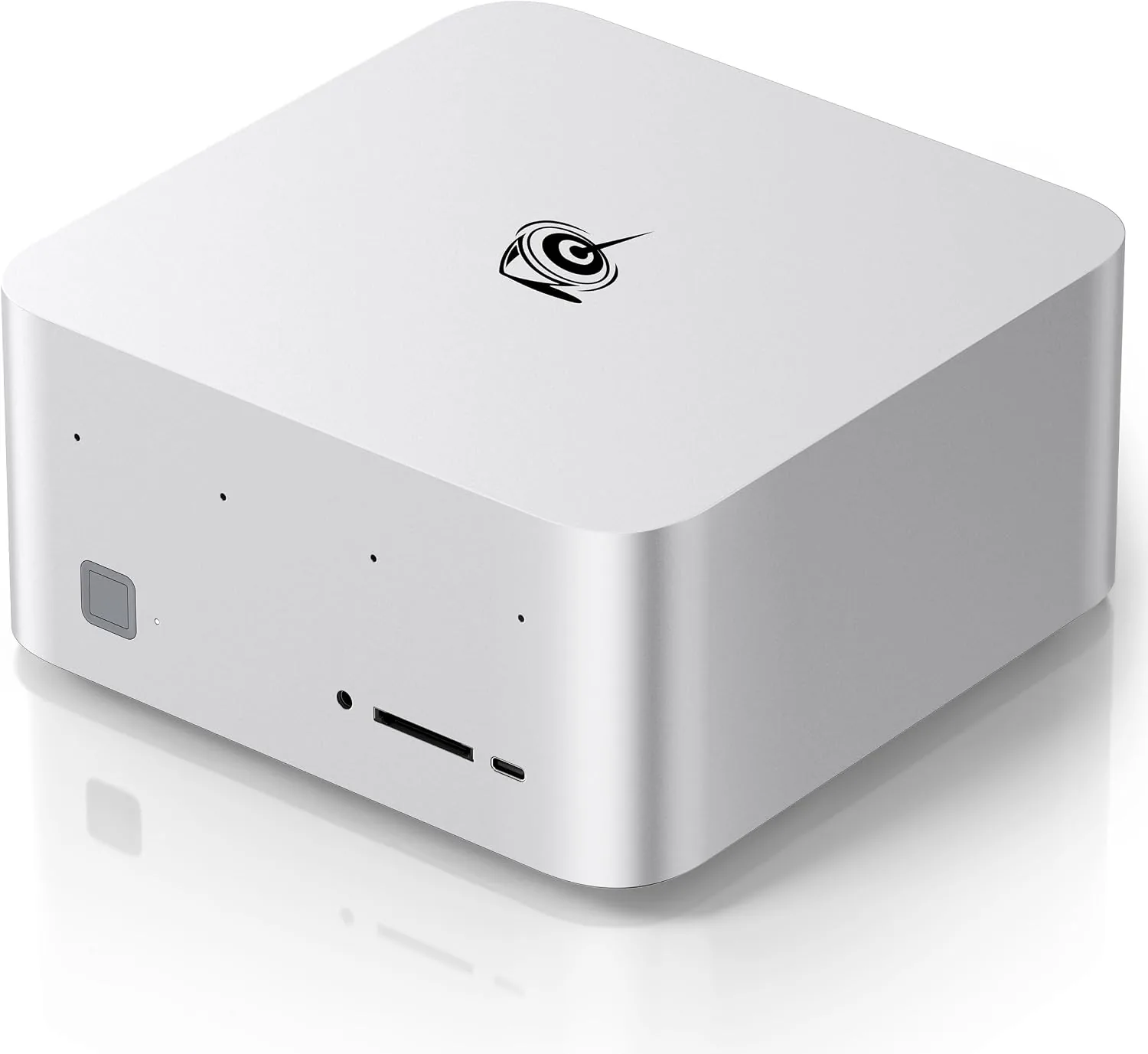
Beelink
Beelink GTR9 Pro
Runs up to 120B+ at 4-bit
- 128 GB unified
- AMD Ryzen AI Max+ 395
On Windows the GPU can be given up to 96 GB of the 128 GB; Linux lets you assign more. If you plan to run the largest models, plan for Linux.
$4,790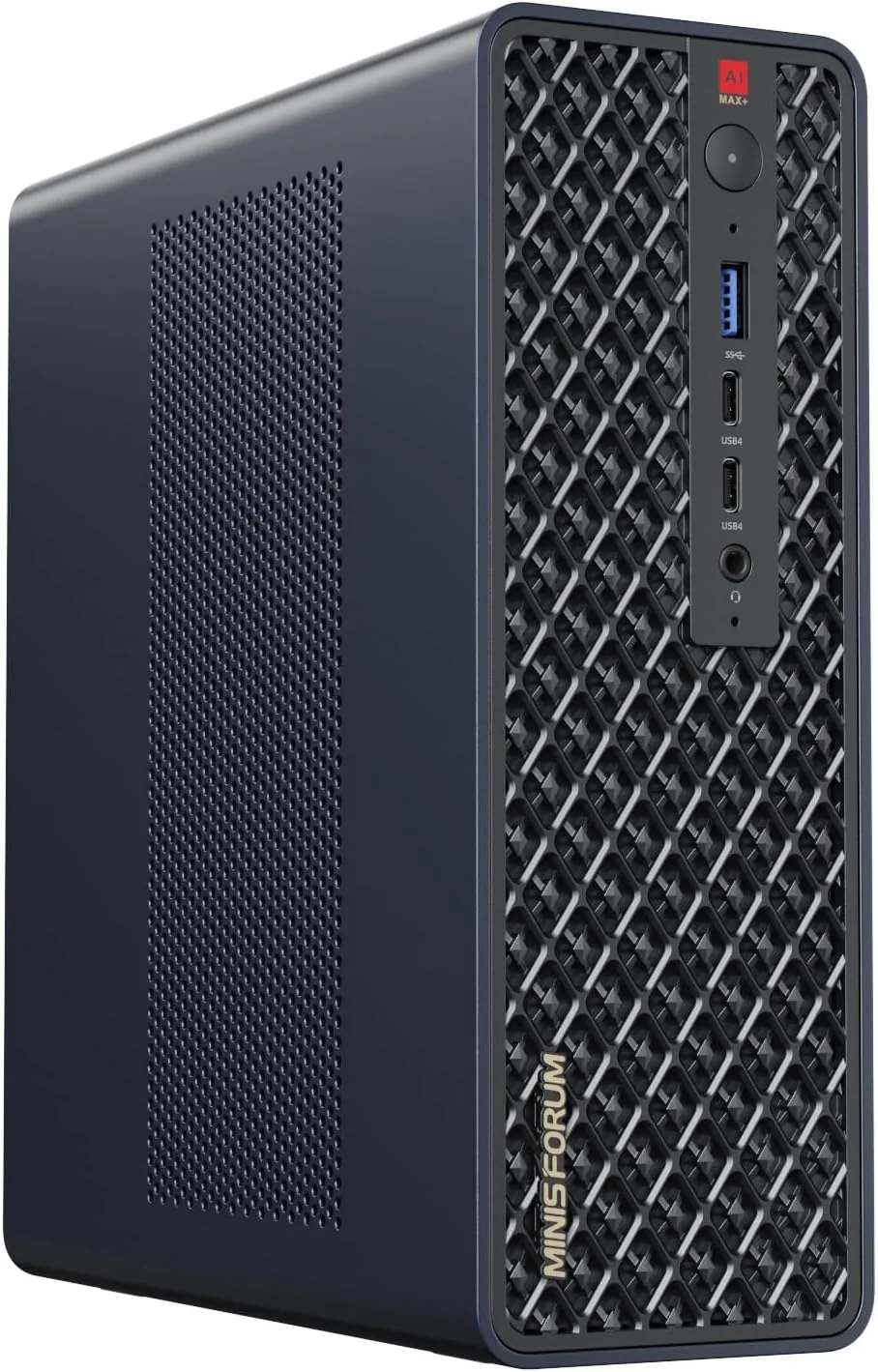
Minisforum
Minisforum MS-S1 Max
Runs up to 120B+ at 4-bit
- 128 GB unified
- AMD Ryzen AI Max+ 395
The PCIe slot takes low-profile cards and runs at x4 lanes. It is ideal for a faster network card, not for adding a full-size graphics card.
$2,719 – $3,523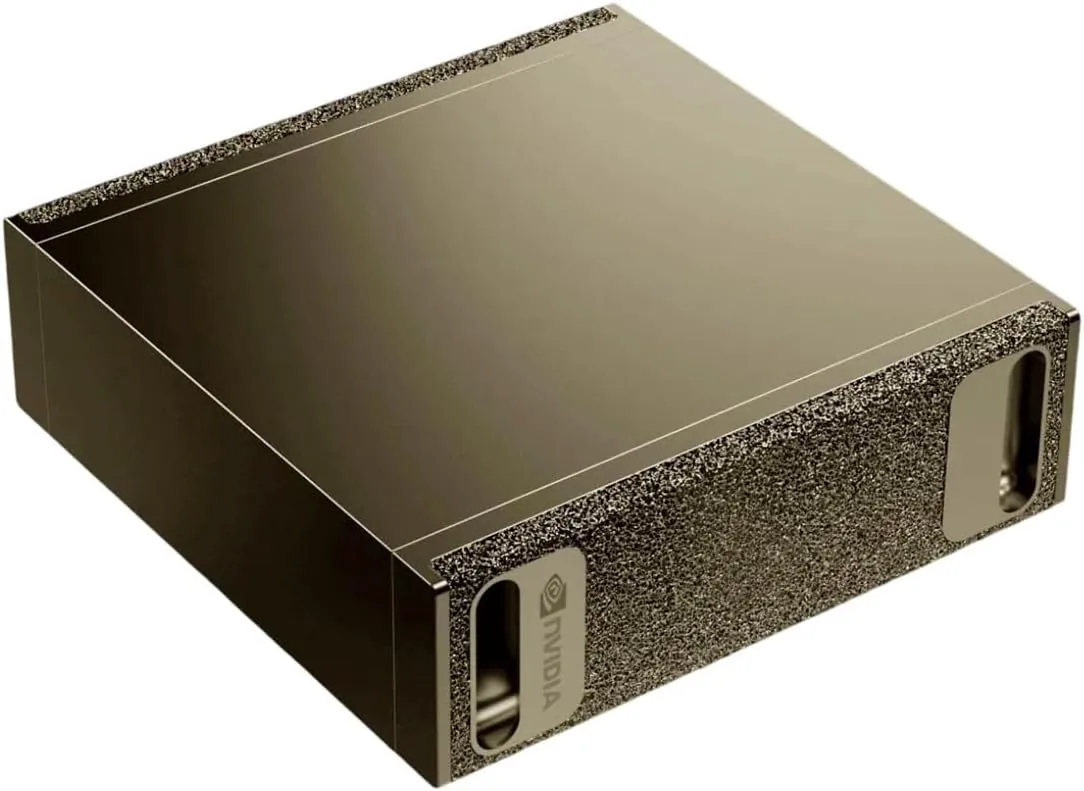
NVIDIA
NVIDIA DGX Spark
Runs up to 120B+ at 4-bit
- 128 GB unified
- NVIDIA GB10 Grace Blackwell
Its memory bandwidth (273 GB/s) is lower than a high-end graphics card's, so large dense models generate text more slowly than they would on an RTX 5090. Its strengths are capacity and the CUDA software stack.
$4,699 – $10,593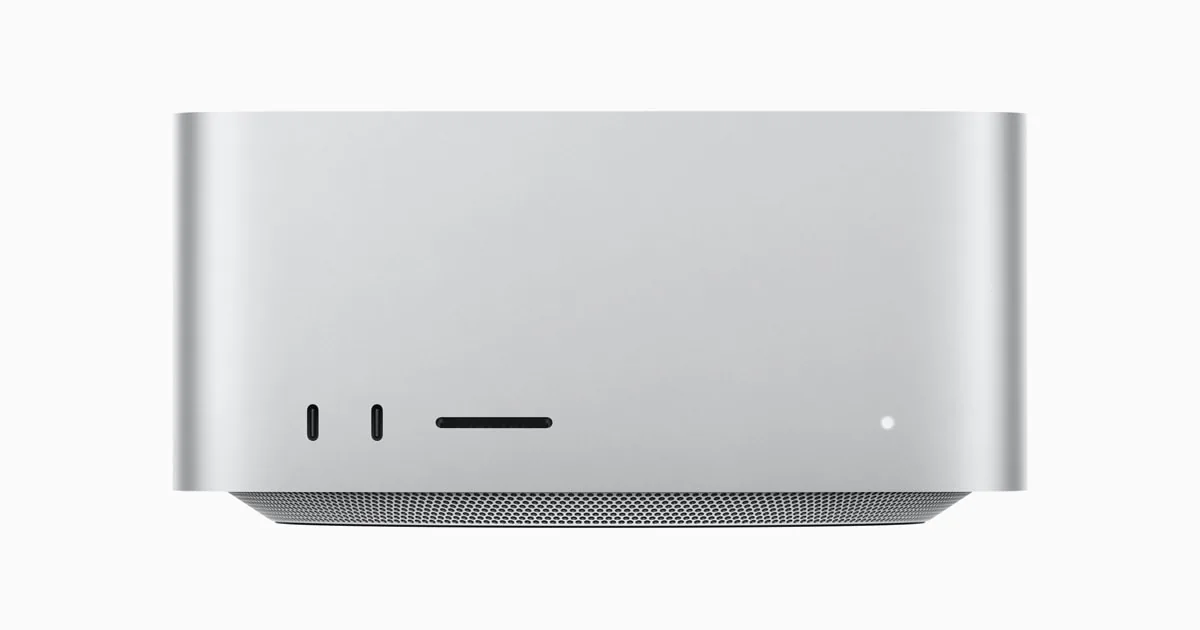
Apple
Apple Mac Studio (M3 Ultra)
Runs up to 70B at 4-bit
- 96 GB unified
- 60-core; 80-core option
macOS keeps part of the unified memory for the system, so plan for the GPU to use most of it, not all. Size the configuration with some headroom above the model.
$4,404 – $10,682For the wider choice between platforms, read Mac vs NVIDIA vs Ryzen AI Max+.
Questions people ask
Can I upgrade the memory later?
No. Both machines use 128 GB of soldered LPDDR5X-8000. It cannot be added to or replaced.
Can I add a graphics card to the MS-S1 Max?
Not a full-size one. The slot takes low-profile cards and runs at x4 lanes. It is best used for a faster network card.
Do these machines run 70B models?
Yes. A 70B model needs about 42 GB at 4-bit and about 80 GB at 8-bit, and both fit in the memory the GPU can use.
Does the NPU speed up language models?
Most local LLM tools run on the integrated GPU. The 50 TOPS NPU is used by specific tools that support it, so check your software.
Related guides
Local AI · 5 min read
Mac vs NVIDIA vs Ryzen AI Max+ for Local AI
Which platform fits which work: CUDA on NVIDIA, unified memory on a Mac, or 128 GB on a Ryzen AI Max+ mini PC. Memory, software and trade-offs.
Read the guide →Local AI · 4 min read
NVIDIA DGX Spark: Who It Is For and When to Skip It
What the DGX Spark does well, where it is slower, and how it compares with a Mac Studio, an RTX 5090 and an RTX PRO 6000 for local AI.
Read the guide →Home server · 4 min read
Mini PC Home Server and NAS: A Quiet Build Guide
Build a quiet home server or NAS on a mini PC: an all-flash box, a refurbished 1-litre desktop or a 128 GB machine that also runs local AI.
Read the guide →